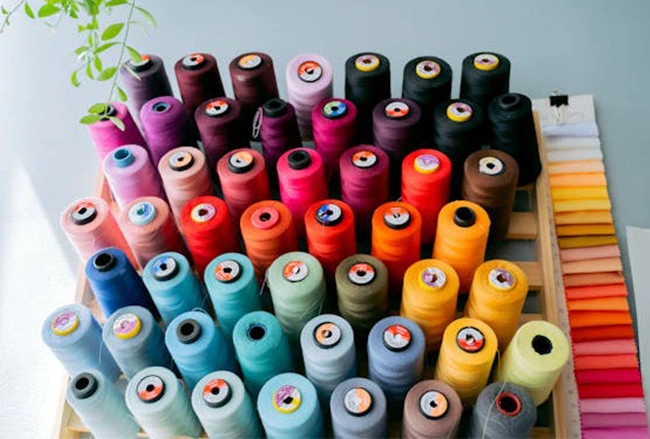
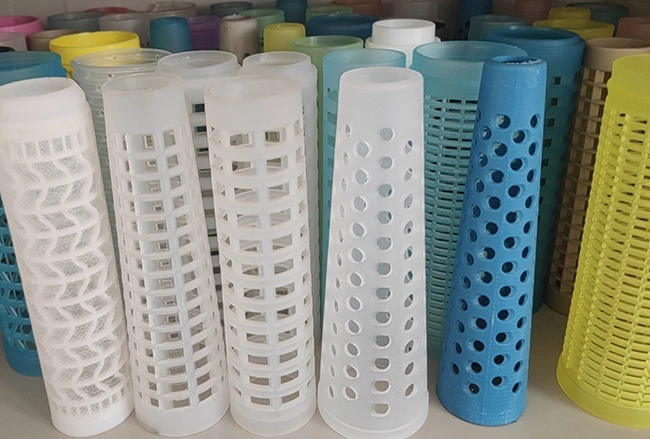
Shoes are exposed to complex service conditions during usage. Wrong selection of sewing thread will trigger seam failure and quality complaints. This guide outlines core performance requirements for footwear‑grade sewing thread for manufacturing and export verification.
Sewing thread for footwear differs from regular apparel sewing thread. Shoes are subject to repeated bending, friction and water exposure, so footwear‑grade thread demands higher tensile strength, abrasion resistance and hydrolysis resistance.
High‑tenacity polyester filament sewing thread (high‑strength thread) shall be adopted for stress‑bearing areas including shoe uppers, shoe collars and heel sections. Ordinary polyester sewing thread for garments cannot be used. Extra stitching strength is required for upper‑to‑sole seams to avoid thread breakage and seam opening after long‑term wear.
The thread must resist fuzzing and abrasion‑induced breakage under repeated bending and rubbing of shoe uppers.
Excessive elongation will cause stretched stitches and wrinkled uppers. Too‑low elongation leads to thread snapping during bending. Balanced elongation performance is required.
The thread shall not shrink under washing or humid conditions. Excessive shrinkage results in puckered uppers and over‑tight stitches.
Prevent skipped stitches and fuzzing on high‑speed shoe‑making sewing machines. Polyester filament sewing thread outperforms spun polyester sewing thread in this respect.
Color fastness to rubbing
Color fastness to perspiration & washing
Color fastness to light
Internal lab tests to be finished before sending samples to customers. Compare test results with the customer’s test reports.
Hydrolysis resistance
Mildew and corrosion resistance
Good high‑speed sewing performance: Modern industrial sewing machines run at high speed, which raises higher demands for the sewing thread.


 English
 Español
 العربية
 русский
 português
 Türkçe