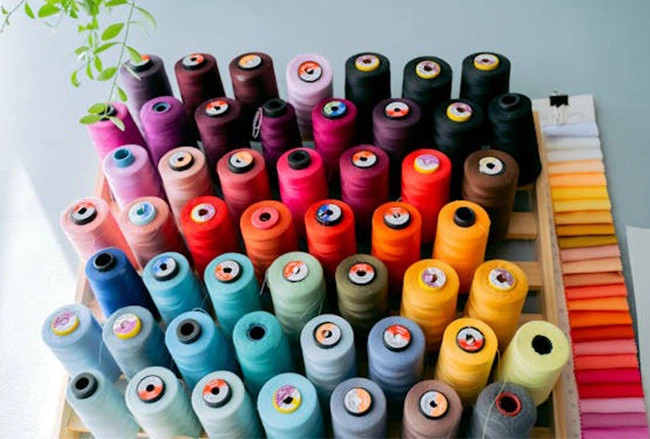
In the world of sewing thread, understanding the differences between polyester and nylon is essential for anyone from hobbyists to professional embroidery manufacturers. Both materials offer unique advantages, but choosing the right one depends on the specific needs of your project. Whether you are looking for thread for sewing machine, exploring various polyester thread types, or are in search of strong sewing thread for industrial applications, this guide will offer insight into the material composition, strengths, best uses, durability, and cost-effectiveness of polyester and nylon threads. With the right knowledge, you can select the perfect thread for sale that meets your criteria for any sewing project.

Understanding the material composition of sewing threads is vital in determining their performance in various applications. Polyester thread and nylon are two of the most commonly used materials with distinguished characteristics.
| Thread Type | Material Composition | Characteristics |
|---|---|---|
| Polyester | Synthetic Polymer | High resistance to UV, water, and mildew |
| Nylon | Synthetic Polyamide | Superior elasticity, abrasion resistance |
Polyester sewing thread is known for its durability and resistance to environmental conditions, making it ideal for outdoor and frequently washed items. In contrast, nylon is renowned for its elasticity and strength, which makes it an excellent choice for heavy-duty applications, such as upholstery and leather goods.
The strength and elasticity of sewing threads greatly affect their performance in different applications. Understanding these factors can guide you in choosing the appropriate thread type.
Polyester thread strong is known for its robust tensile strength, which makes it a preferred choice for many purposes, including jeans and non-stretch fabrics. Nylon, on the other hand, is slightly more elastic than polyester, making it suitable for fabrics that require a bit more give, such as knit garments or stretchy materials.
Determining the best use for polyester and nylon threads depends largely on the fabric and the demands of the finished product. Here, we explore popular applications for each type.
Nylon thread is highly recommended for applications involving high stress or movement due to its elasticity. This makes it a great fit for athletic apparel, stretchy garments, and home textiles that require durability and elasticity. Conversely, polyester thread is often chosen for quilting, embroidery, and general sewing due to its resistance to stretching and environmental factors.
Durability is a significant factor when selecting a thread, especially for outdoor or specialty fabrics. Let's look into how polyester and nylon thread perform under various conditions.
Polyester sewing thread excels in outdoor applications due to its superior resistance to sun exposure and mildew. This quality makes it ideal for projects like patio cushions, sunscreens, and boat covers. Meanwhile, nylon is better suited for indoor applications or environments where dynamic movement is frequent due to its exceptional strength and elasticity.
Cost often plays a critical role in selecting the right sewing thread for sewing machine projects. Here, we evaluate the cost-effectiveness of polyester and nylon threads for different uses.
In general, polyester thread tends to be more cost-effective for everyday applications, considering its balance of price, strength, and environmental resistance. Nylon, with its higher elasticity and strength, may come at a slightly higher cost, making it preferable for projects that demand such characteristics. Evaluating these factors ensures the best match for both performance and budgetary requirements.
In conclusion, whether you seek traditional sewing supplies or high-performance industrial sewing thread, understanding the pros and cons of polyester versus nylon is essential. By considering aspects such as material composition, strength, elasticity, and cost, one can select the appropriate threads for varied applications, ensuring optimal performance and project success.
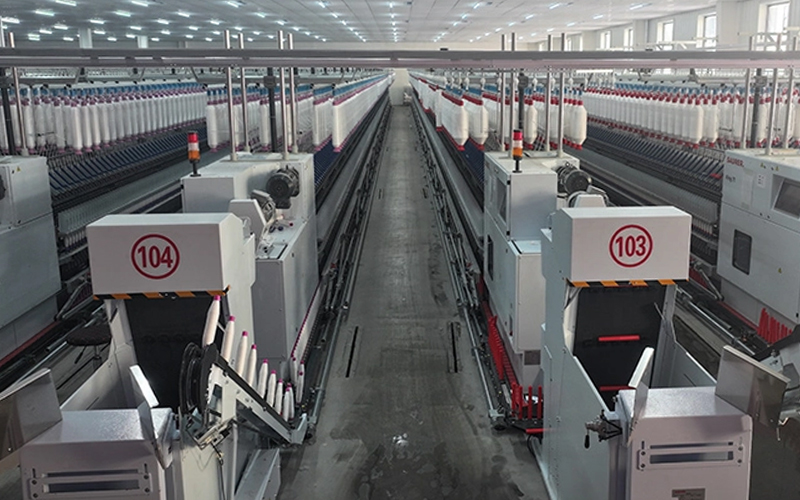
At JINGZE, we see sewing thread as more than just a material—it's the essential foundation behind every finely crafted garment, durable home textile, and innovative industrial product. With over ten years of experience as a leading sewing thread manufacturer in China, we focus on producing high-quality threads that deliver strength, longevity, and versatility—qualities crucial for success in today’s competitive market.
Our product range includes soft spun polyester thread wholesale options ideal for apparel and delicate fabrics, as well as high-strength filament polyester thread series designed for demanding uses like automotive textiles and heavy-duty equipment. We also offer recycled polyester thread lines, reflecting our commitment to sustainability without compromising quality or performance. Utilizing advanced machinery and strict quality control, we ensure our threads meet global standards for consistent and reliable results.

 English
 Español
 العربية
 русский
 português
 Türkçe