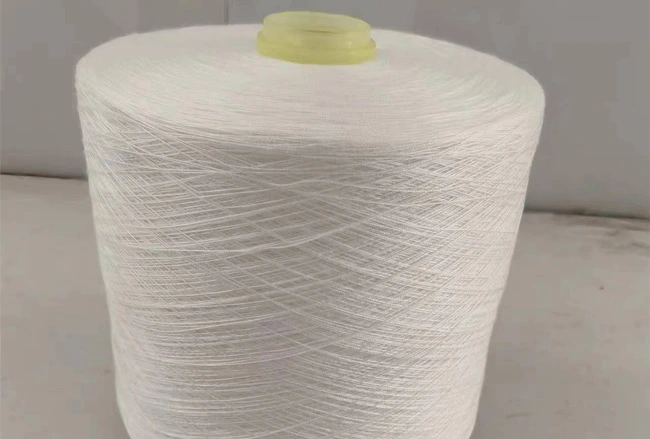
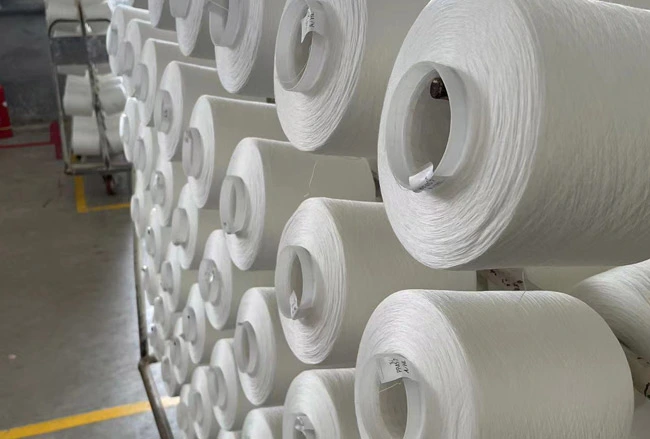
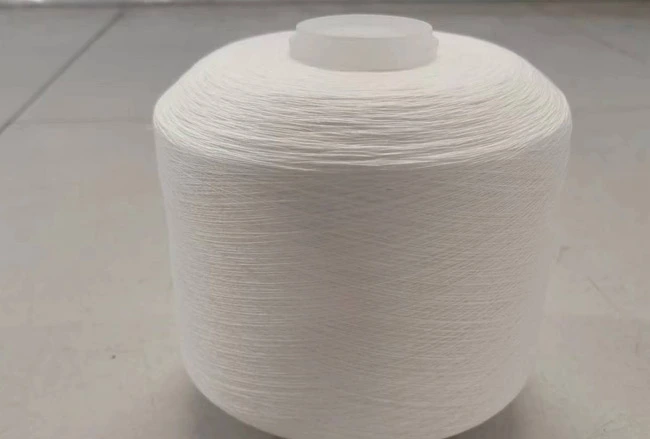
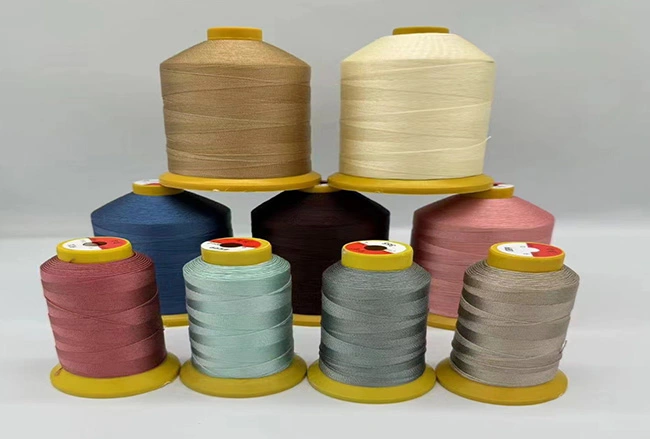
Sewing enthusiasts and professionals alike often encounter various issues related to sewing thread, hindering their workflow and affecting the quality of their projects. Whether you're using sewing thread for sewing machines or polyester thread for sewing machine applications, understanding these problems can significantly enhance your sewing experience. This article provides insights into common sewing thread troubles such as frequent breakage, knots, tangles, and machine compatibility issues. You'll learn about various thread types, including poly embroidery thread, jeans thread, and discover effective solutions and preventive maintenance tips to ensure all your spun yarn and spun polyester endeavors are seamless.
Frequent thread breakage can be a major frustration for anyone working with a sewing machine. It is often caused by a combination of factors, including thread type, tension settings, and needle quality. Sewing thread strong enough to withstand the demands of industrial sewing requires careful selection and proper handling.

High-quality all purpose thread, like polyester sewing thread, significantly reduces breakage incidents. Ensure the thread size matches your fabric and needle, as mismatches can lead to increased tension and snapping. Strong thread for sewing projects, such as upholstery thread, is engineered for durability and should be used for heavy-duty fabrics.
| Problem | Solution |
|---|---|
| Incorrect Thread Type | Use a **thread for sewing machine** or **core spun yarn** appropriate for the material. |
| Poor Thread Quality | Opt for renowned **thread maker** products like **coats thread types**. |
| Improper Tension | Adjust the machine's tension settings according to **sewing thread sizes**. |
| Needle Issues | Replace dull needles to reduce stress on **thread for buttons** and fabrics. |
For embroidery manufacturers, using the wrong kind of embroidery thread can also cause issues, requiring strong spun polyester thread wholesale options designed for embroidery purposes.
Knots and tangles in sewing thread can derail even the most meticulously planned projects. Fortunately, these issues are often preventable with the right strategies and tools.
First, evaluate your sewing machine thread spooling method. Improper spooling can lead to twists and knots. Consider using a threaded bobbins system to maintain consistent tension. Secondly, enforce regular cleaning of your machine to prevent lint accumulation, especially when using sewing yarn that tends to shed fibers.
Another tactic involves thread guides and path adjustments. Adjust the thread path, especially with medical thread and metal thread, to minimize twists leading to tangles. Sew in thread path innovations are specifically designed to navigate these common issues.
| Issue | Preventive Action |
|---|---|
| Tangled Threads | Ensure **threaded bobbins** are wound neatly and evenly. |
| Knot Formation | Adjust thread guides to accommodate different **sewing thread types**. |
| Irregular Tension | Use adjustable tension spools for consistent output. |
| Lack of Maintenance | Perform routine **sew thread** cleaning and adjustments. |

Bunching up of thread can be attributed to improper threading techniques or tension mismatches in the sewing machine. This issue occurs when the thread for sewing machine isn't uniformly fed into the needle, causing chaotic loops.
One of the effective precautions involves employing sewing polyester thread that offers a smoother feed and is resistant to sudden snaps. Regular checks on your machine’s tension settings along with routine maintenance can prevent bunching. Moreover, selecting a polyester thread aligned with machine specifications enhances performance.
In instances where bunching has already occurred, cease stitching immediately to correct the threading path. For persistent issues, an inspection from a professional can save valuable time and material, especially with pricier jean thread or poly yarn.
| Cause | Remediation |
|---|---|
| Improper Thread Path | Re-thread the machine ensuring a smooth path for **white sewing thread**. |
| Incorrect Tension | Adjust upper and lower thread tensions for **stitching thread sizes** accuracy. |
| Needle Condition | Use the correct needle for specific **sewing thread types**. |
| Maintenance Neglect | Regular machine cleaning enhances **strong thread** efficiency. |
Compatibility between sewing machines and thread types is crucial for seamless operation and optimum results. Factors like stitching thread diameter and material type heavily influence this compatibility. Machines must be calibrated to handle different types, from polyester yarn to sewing thread white.
Incompatible thread for sale can lead to machine jamming or breakages during sewing. Understanding specific machine capabilities, especially for specialty poly yarn, empowers users to make informed choices. Reference the machine's manual for settings recommendations and test runs with different sewing thread sizes to ensure compatibility before initiating bulk projects.
Additionally, metal thread and other specialty threads often require unique machine settings or additional attachments to promote smooth operation without damaging the equipment.
| Machine Model | Compatible Threads | Settings Required |
|---|---|---|
| Model A | **Sewing polyester thread**, **poly embroidery thread** | Medium tension, regular needle |
| Model B | **Industrial sewing thread**, **upholstery thread** | High tension, heavy-duty needle |
| Model C | **Stitching thread sizes**, **white sewing thread** | Low tension, standard needle |
Regular maintenance of your sewing machine and its components, like thread, ensures longevity and reliability. Preventive care reduces wear and tear while enhancing the output quality of strong thread for sewing and other materials.
Start by routinely cleaning the machine, particularly the area where threaded bobbins are housed. Dust and lint can create problems in high precision regions by interfering with core spun yarn movement.
Perform checks on needle integrity, as a bent needle affects thread path and leads to snapping, particularly with coats thread types. Lubricate moving parts adequately to reduce friction and maintain seamless operation.
Consult the machine’s maintenance manual for specific guidelines on how best to maintain polyester thread feeding components. Properly align the machine with strong sewing thread users’ feedback for ultimate performance.
Routine practices like these not only extend the lifespan of sewing machines but also ensure the thread for sewing machine produces consistent, high-quality results.
| Maintenance Task | Frequency | Benefits |
|---|---|---|
| Machine Cleaning | Weekly | Prevents dust buildup, enhances performance |
| Needle Replacement | Bi-monthly | Reduces breakage of **spun yarn** |
| Thread Path Checks | Before each project | Ensures uninterrupted flow, reduces **metal thread** tangling |
| Lubrication | Monthly | Minimizes mechanical friction, prolongs machine life |
By incorporating these maintenance tasks into your routine, you can dramatically improve your sewing experience, making all projects from simple sew thread to intricate polyester sewing thread artistry stand out.
Troubleshooting and preventive maintenance are vital components of successful sewing endeavors. By understanding why issues such as thread breakage, knots, tangling, and machine compatibility arise, users can adopt strategies that enhance their sewing efficiency. Regular maintenance and the correct selection of thread for sewing machine are keys to long-lasting equipment and quality results. Whether you're tackling heavy-duty projects with jeans thread or working on detailed embroidery with poly embroidery thread, knowing how to prevent and resolve common sewing thread problems can save both time and resources, ensuring every stitch is precisely as intended.
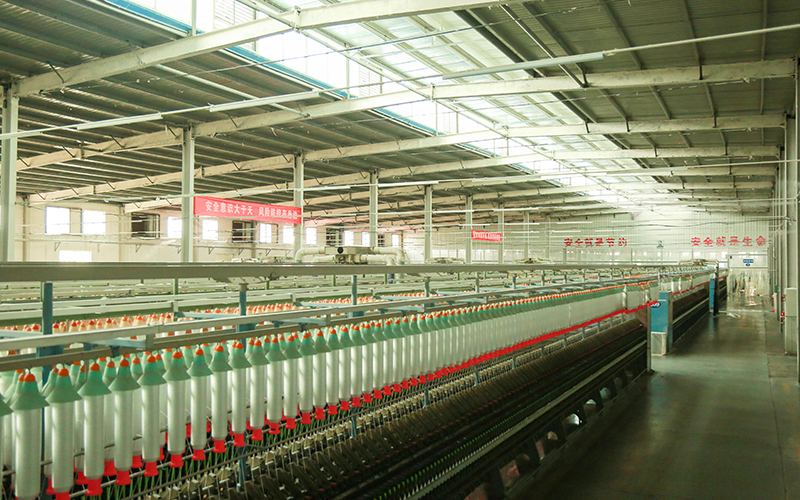
At JINGZE, sewing thread is regarded as the crucial element that holds together every carefully tailored garment, resilient home textile, and innovative industrial product. Backed by over ten years of experience as a leading sewing thread China manufacturer, we are dedicated to delivering sewing threads that offer strength, durability, and flexibility—qualities essential for competing in today’s market.
Our offerings cover a variety of thread types, including spun polyester threads known for their softness and sewability, ideal for apparel, and filament threads built for high-stress uses such as automotive textiles and heavy gear. We also emphasize sustainability by providing recycled polyester thread options that do not sacrifice quality or performance. With advanced technology and thorough quality assurance, our products meet the highest international standards for dependability.

 English
 Español
 العربية
 русский
 português
 Türkçe