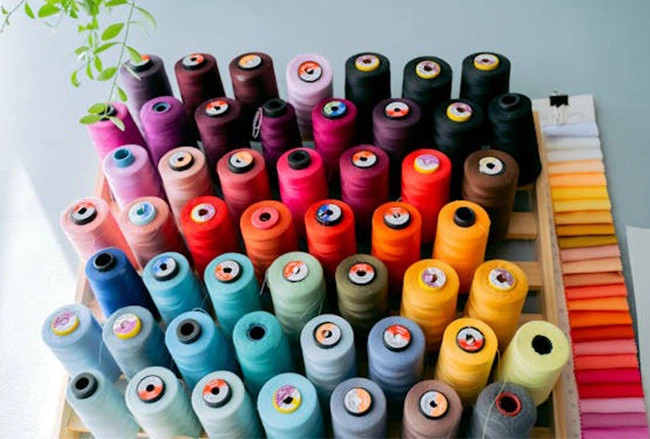
Choosing the right sewing thread is crucial for achieving professional results, and one of the most important factors to consider is thread weight. Terms like 30wt, 40wt, and 50wt often appear on thread labels, but what do they mean, and how do they impact your sewing projects? Thread weight affects stitch appearance, seam strength, and machine compatibility, making it essential to understand these numbers before starting your work. Whether you’re a beginner or a seasoned sewer, mastering thread weight will elevate your craftsmanship.
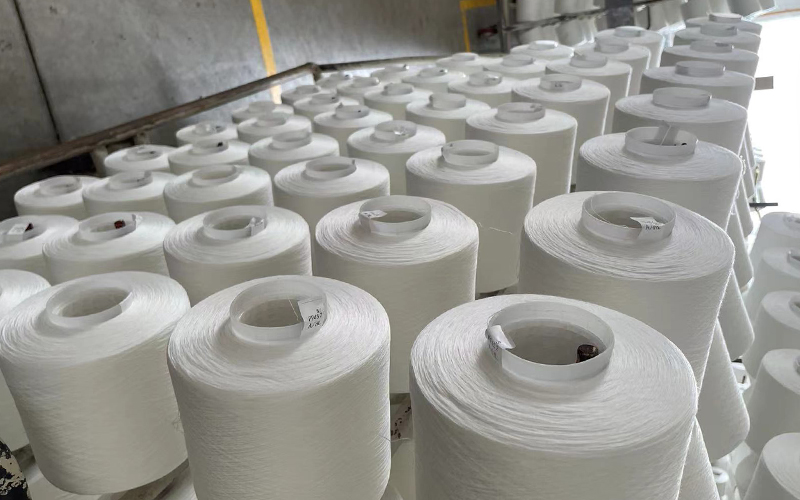
Thread weight refers to the thickness or fineness of a sewing thread, which directly influences its strength, appearance, and suitability for different fabrics and sewing techniques. Measured in "weight" (wt), this metric indicates how heavy or light a thread is, with lower numbers representing thicker threads and higher numbers indicating finer ones. Thread weight is a critical factor because it determines how the thread interacts with your sewing machine, needle, and fabric, affecting both the aesthetic and durability of your stitches.
Thread weight is typically expressed in a numerical system, such as 30wt, 40wt, or 50wt, though other systems like Tex or Denier may also be used. The weight system is widely used in the sewing world due to its simplicity, making it easy for sewers to choose threads based on project needs. For example, a thicker thread (lower weight number) is ideal for heavy-duty projects like upholstery, while a finer thread (higher weight number) suits delicate fabrics like silk. Understanding thread weight helps you avoid common issues like thread breakage, skipped stitches, or mismatched seam strength.
The thread weight number represents the relationship between the thread’s length and its weight, with the number indicating how many kilometers of thread weigh one kilogram. For instance, a 50wt thread means 50 kilometers of that thread weigh one kilogram, making it finer than a 30wt thread, where 30 kilometers weigh one kilogram. In simpler terms, the higher the weight number, the thinner the thread, and the lower the number, the thicker the thread.
This inverse relationship can be confusing at first, but it’s straightforward once you grasp the logic. Thicker threads (e.g., 30wt) are heavier and more robust, suitable for projects requiring strong seams. Finer threads (e.g., 50wt) are lighter and more delicate, ideal for intricate or lightweight sewing tasks. Thread weight also affects stitch visibility—thicker threads create bolder, more pronounced stitches, while finer threads produce subtle, nearly invisible seams. When selecting a thread, always check the weight on the spool label and match it to your project’s requirements for optimal results.

Among the common thread weights—30wt, 40wt, and 50wt—the thickness decreases as the number increases:
30wt Thread: This is the thickest of the three, with a robust, heavy structure. It’s designed for heavy-duty sewing, such as upholstery, leatherwork, or outdoor gear, where strong, visible stitches are needed. Its thickness makes it less flexible but highly durable, ideal for industrial machines or heavy fabrics like denim or canvas. For instance, auto upholstery thread is suitable for such applications.
40wt Thread: A medium-weight thread, 40wt strikes a balance between strength and versatility. It’s suitable for a wide range of projects, including quilts, garments, and home décor, offering a smooth finish without being overly bulky. This weight is popular for both home and industrial sewing due to its adaptability.
50wt Thread: The finest of the three, 50wt is lightweight and ideal for delicate fabrics like cotton, silk, or lightweight synthetics. It creates subtle stitches that blend seamlessly into the fabric, making it perfect for detailed work like embroidery or lightweight apparel.
To visualize the difference, imagine 30wt as a sturdy rope, 40wt as a strong cord, and 50wt as a fine string. The choice depends on your project’s fabric thickness, desired stitch appearance, and machine capabilities.
 Each thread weight serves specific purposes, and selecting the right one ensures your project’s success. Here’s a breakdown of the best applications for 30wt, 40wt, and 50wt threads:
Upholstery and Heavy Fabrics: Perfect for sewing thick materials like leather, vinyl, or canvas used in furniture, car seats, or bags.
Outdoor Gear: Ideal for tents, awnings, or marine covers due to its durability and resistance to stress and environmental factors.
Decorative Stitching: Creates bold, visible stitches for topstitching or accent work on heavy projects.
Industrial Sewing: Suits high-speed industrial machines for tasks requiring robust seams, such as tarps or safety equipment.
Quilting: Provides strong seams for quilt assembly and decorative stitching, balancing durability and aesthetics.
Garments: Works well for medium-weight fabrics like cotton or denim, suitable for jeans, jackets, or dresses.
Home Décor: Ideal for curtains, cushions, or table runners, offering a polished look with reliable strength.
General Sewing: A versatile choice for mixed projects, compatible with most home sewing machines.
Lightweight Apparel: Perfect for sewing delicate fabrics like silk, chiffon, or lightweight cotton for dresses or blouses.
Embroidery: Creates fine, detailed designs with smooth, subtle stitches, ideal for machine or hand embroidery.
Quilting Details: Used for intricate quilt piecing where nearly invisible seams are desired.
Craft Projects: Suits small-scale projects like accessories, toys, or appliqués where finesse is key.
Understanding these applications helps you match the thread weight to your project’s specific needs, ensuring both functionality and a professional finish.
Selecting the appropriate thread weight involves evaluating your project’s fabric, purpose, and sewing equipment. Here are key factors to guide your decision:
Match the thread weight to your fabric’s weight. Heavy fabrics like denim or leather require thicker 30wt threads to ensure strong seams, while lightweight fabrics like silk or cotton need finer 50wt threads for subtle stitches. Medium-weight fabrics, such as quilting cotton or medium denim, pair well with 40wt threads for balanced strength and aesthetics.
If you want bold, decorative stitches, choose a thicker 30wt thread for prominence. For seamless, nearly invisible stitches, opt for 50wt thread. A 40wt thread offers a middle ground, suitable for both functional and slightly decorative stitching.
Thicker threads like 30wt may require industrial or heavy-duty machines and larger needles (e.g., size 16 or 18) to prevent tension issues or breakage. Finer 50wt threads work well with standard home machines and smaller needles (size 10-12). Always consult your machine’s manual and test the thread on scrap fabric to adjust tension settings.
For projects exposed to heavy use or outdoor conditions, such as furniture or tents, 30wt threads provide the necessary strength. For everyday garments or decorative items, 40wt or 50wt threads are sufficient, offering flexibility without compromising quality.
Always test a small spool of thread on your fabric to ensure compatibility and desired results. Check for smooth stitching, proper tension, and seam strength. This step prevents costly mistakes and ensures the thread performs as expected.
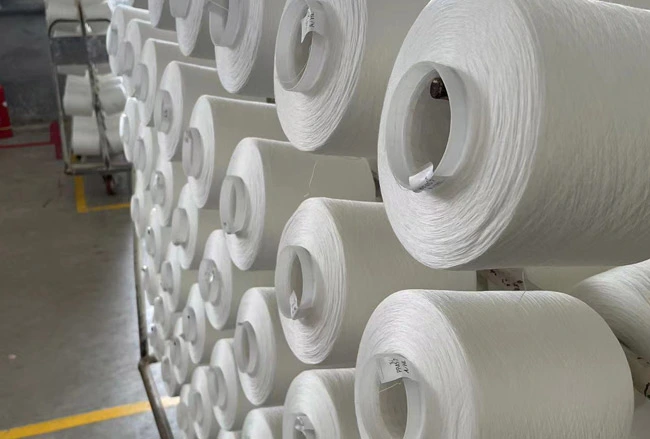
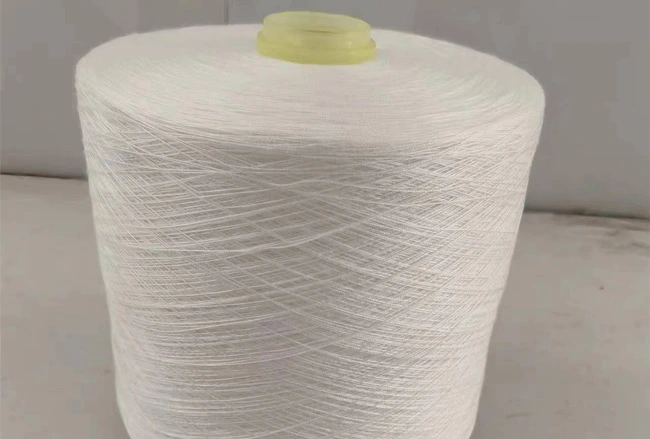
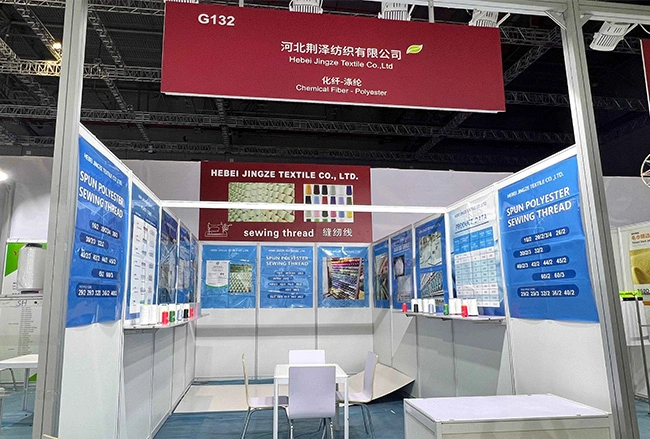
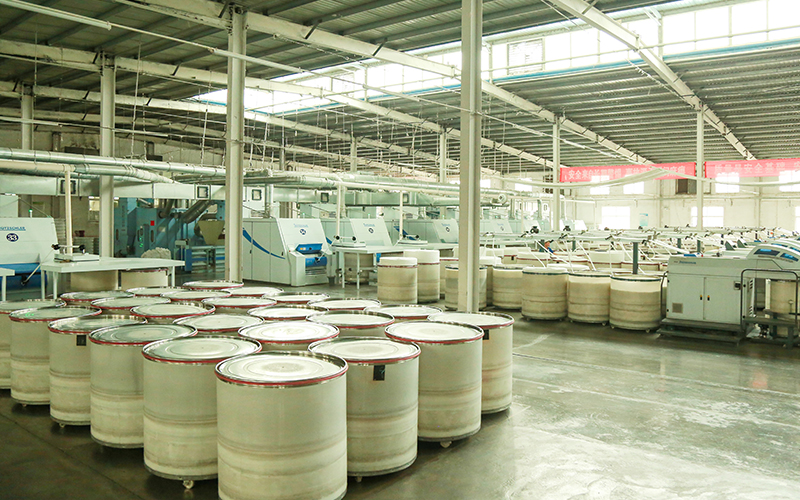
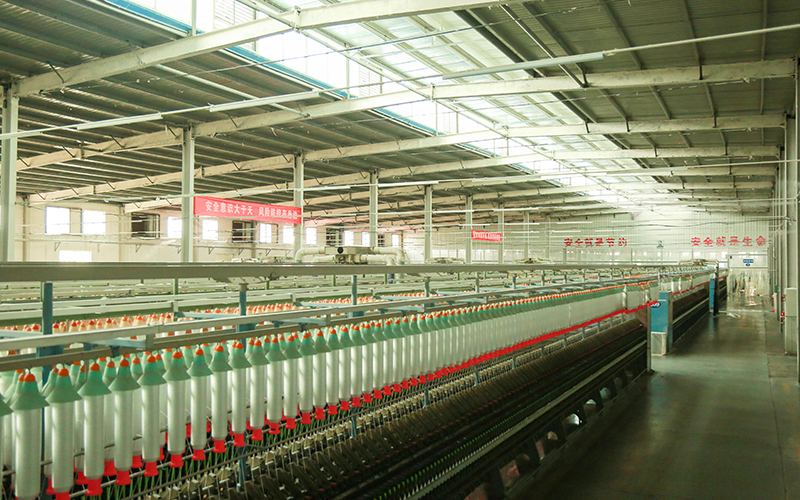
For sewers seeking high-quality threads across various weights, JINGZE offers an exceptional range of premium sewing threads designed to meet the needs of both hobbyists and professionals. With a state-of-the-art facility boasting 220,000 spindles and advanced dyeing and finishing workshops, JINGZE produces 30,000 tons of raw white sewing thread and 10,000 tons of dyed yarn annually. Their spun polyester thread wholesale, available in weights like 40wt and 50wt, offer superior evenness and low hairiness, ensuring seamless sewing for garments, quilts, and embroidery. For heavy-duty projects, JINGZE’s filament polyester threads, ideal as 30wt options, provide remarkable tensile strength, perfect for upholstery, military, and medical applications.
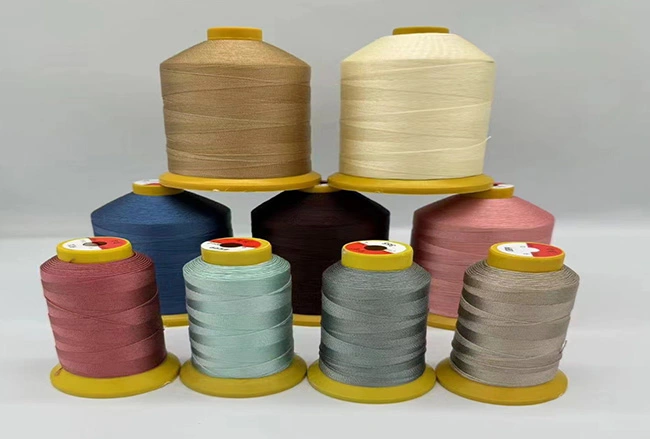
JINGZE’s comprehensive product range, from 16/2 to 60/3 counts, includes vibrant colors and eco-friendly recycled polyester options, catering to diverse project needs. Located in a textile hub with excellent transportation, JINGZE ensures stable quality through automated equipment and rigorous testing with devices like USTER. Their long-term partnership with industry leader A&E underscores their commitment to excellence. Whether you need fine threads for delicate embroidery or robust threads for industrial sewing, JINGZE delivers reliability and performance at competitive prices.
Ready to find the perfect thread weight for your next project? Contact JINGZE today to request a quote and explore premium sewing thread in China, tailored to deliver outstanding results for every sewing application. Let us help you achieve professional-quality stitches with ease and affordability!
 English
 Español
 العربية
 русский
 português
 Türkçe