When embarking on a sewing project, choosing the right thread can make or break the outcome. Whether you’re crafting a delicate dress or reupholstering a vintage sofa, the thread you select impacts the durability, appearance, and longevity of your work. Two common options—upholstery thread and regular sewing thread—serve distinct purposes, and understanding their differences is key to achieving professional results. This guide dives into the characteristics, strengths, and applications of upholstery thread versus regular thread, helping you make informed decisions for your next project.
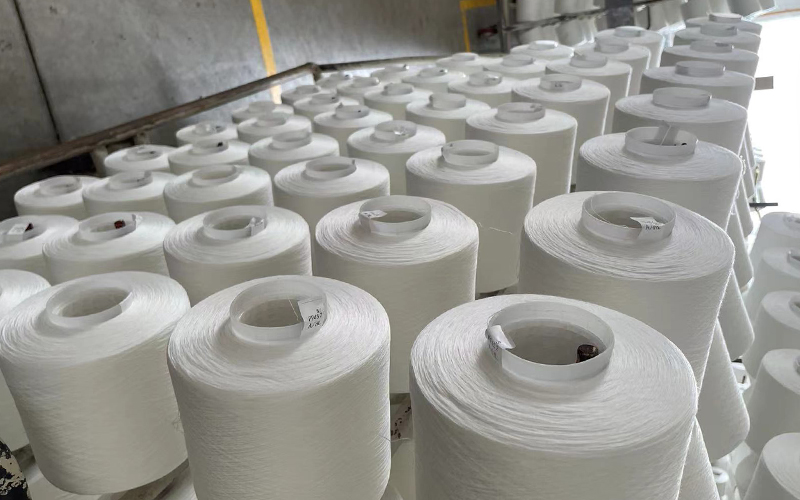
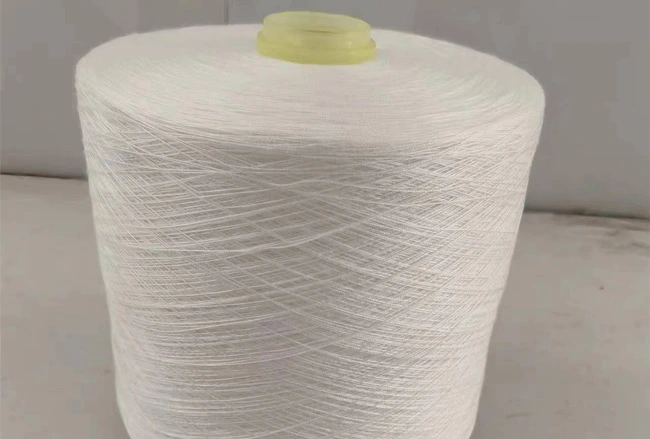
Upholstery thread is a heavy-duty thread designed specifically for sewing thick, durable materials like leather, canvas, vinyl, or heavy fabrics used in furniture, automotive interiors, and outdoor gear. Unlike standard threads, upholstery thread is thicker, stronger, and built to withstand significant stress, abrasion, and environmental factors such as UV exposure or moisture. Typically made from materials like bonded polyester, nylon, or cotton, upholstery thread is engineered for high-tensile strength, ensuring seams remain intact under constant use or heavy loads. For example, auto upholstery thread is specifically designed to withstand the rigors of vehicle interiors.
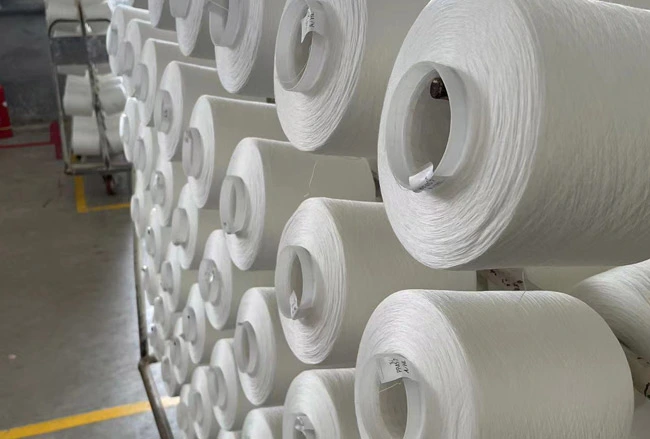
The construction of upholstery thread often involves bonding, where multiple strands are twisted and coated to create a smooth, unified thread that resists fraying and breaking. Common weights for upholstery thread range from 20wt to 30wt, much heavier than typical sewing threads, allowing it to handle the demands of stitching through dense materials. For example, JINGZE’s filament polyester threads are a popular choice for upholstery due to their exceptional strength and compatibility with industrial sewing machines. Upholstery thread is also available in UV-resistant and water-repellent varieties, making it ideal for outdoor furniture or marine applications where durability is paramount.
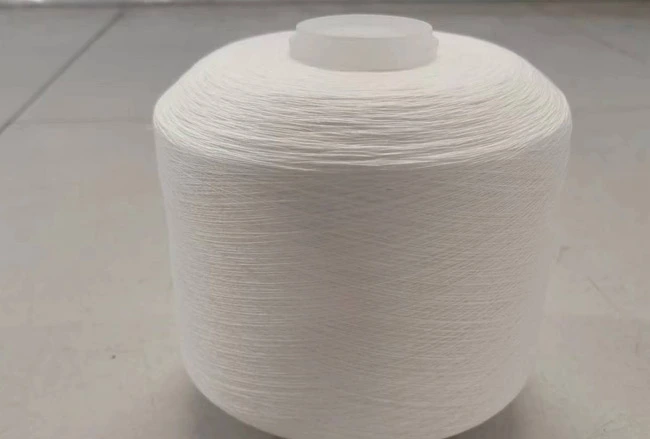
Regular sewing thread, often referred to as all-purpose thread, is designed for a wide range of sewing tasks, from garment construction to quilting and light home décor projects. Typically made from polyester, cotton, or a polyester-cotton blend, regular thread is finer and more flexible than upholstery thread, with weights commonly ranging from 40wt to 60wt. This finer construction makes it suitable for delicate fabrics like cotton, silk, or lightweight synthetics, where a subtle, seamless stitch is desired.
Regular thread prioritizes versatility and ease of use, flowing smoothly through home sewing machines without requiring specialized needles or tension adjustments. It’s ideal for projects that don’t demand extreme durability, such as clothing, curtains, or simple crafts. For instance, the polyester sewing thread China from brands like JINGZE offers a smooth finish and vibrant colors, perfect for everyday sewing tasks. While regular thread is strong enough for most household projects, it lacks the robust tensile strength and thickness needed for heavy-duty applications like upholstery, making it less suitable for high-stress environments.
The primary difference between upholstery thread and regular thread lies in their strength and durability. Upholstery thread is engineered for maximum tensile strength, often capable of withstanding forces that would snap regular thread. Its bonded construction minimizes fraying and ensures seams hold up under constant pressure, such as the weight of someone sitting on a couch or the strain of outdoor elements. For example, bonded nylon or polyester upholstery threads can endure abrasion, stretching, and environmental stressors like moisture or UV rays, making them ideal for long-lasting applications.
In contrast, regular sewing thread is designed for lighter-duty tasks where flexibility and a smooth appearance are more important than extreme strength. While polyester regular threads are relatively durable and resistant to stretching compared to cotton threads, they can’t match the robustness of upholstery thread. Regular thread may break or fray when used on thick materials or in high-stress applications, leading to seam failure over time. For instance, stitching a leather car seat with regular thread could result in torn seams after minimal use, whereas upholstery thread would maintain integrity.
Testing thread strength is a practical way to understand the difference. Pulling an upholstery thread by hand feels noticeably tougher, with minimal stretch or breakage, while regular thread may snap under similar pressure. Additionally, upholstery thread’s thicker diameter allows it to fill needle holes in dense fabrics without compromising seam strength, whereas regular thread may leave weaker, less secure stitches in such materials. JINGZE’s high-strength filament threads, for example, are designed to deliver superior durability for upholstery, while their all-purpose threads cater to lighter sewing needs.
Upholstery thread shines in projects requiring durability and resistance to wear. Its robust nature makes it the go-to choice for:
Furniture Upholstery: Sewing cushions, sofas, or chairs with heavy fabrics like leather, vinyl, or canvas.
Automotive and Marine Interiors: Stitching car seats, boat covers, or dashboards that endure constant use and exposure to elements.
Outdoor Gear: Crafting tents, awnings, or patio furniture covers that need UV and water resistance.
Industrial Applications: Sewing heavy-duty items like tarps, bags, or safety equipment.
Leatherwork: Stitching thick leather for belts, bags, or saddles, where strong seams are critical.
Upholstery thread’s ability to handle thick materials and high-speed industrial machines makes it indispensable for professional and heavy-duty projects. Its thicker profile also creates bold, visible stitches, which can add a decorative element to upholstery designs.
Regular sewing thread is ideal for lighter, more delicate projects where finesse and versatility are key. Common uses include:
Garment Construction: Sewing dresses, shirts, or pants made from cotton, linen, or lightweight synthetics.
Quilting and Patchwork: Creating intricate quilt designs with cotton or polyester threads for a soft, seamless finish.
Embroidery and Decorative Stitching: Adding detailed patterns to clothing or home décor with vibrant, fine threads.
Home Décor: Crafting curtains, pillowcases, or table runners that don’t require heavy-duty seams.
Craft Projects: Sewing small accessories like pouches, toys, or appliqués for creative hobbies.
Regular thread’s finer weight ensures smooth, nearly invisible stitches, making it perfect for projects where aesthetics and flexibility matter more than extreme durability. It’s also widely compatible with home sewing machines, making it accessible for beginners and hobbyists.
Selecting the right thread depends on your project’s requirements, materials, and sewing equipment. Here are key factors to consider to make the best choice:
Start by assessing the materials and purpose of your project. If you’re working with heavy fabrics like leather, denim, or vinyl, or creating items that face constant stress (e.g., furniture or outdoor gear), upholstery thread is essential for its strength and durability. For lighter fabrics like cotton, silk, or polyester blends used in clothing or quilts, regular thread provides the flexibility and finesse needed for a polished look. Consider the project’s longevity—upholstery thread is better for items meant to last years under heavy use, while regular thread suits temporary or low-stress creations.
Upholstery thread often requires heavy-duty or industrial sewing machines with larger needles (e.g., size 16 or 18) and adjusted tension settings to handle its thickness. Regular thread works seamlessly with most home sewing machines, using standard needles (size 10-14). Before starting, test your thread on a scrap piece of fabric to ensure your machine can handle it without jamming or skipping stitches. If you’re using a home machine for upholstery, consult the manual to confirm it can accommodate thicker threads.
For projects exposed to outdoor elements, such as patio cushions or boat covers, choose upholstery thread with UV and water resistance to prevent fading or degradation. Regular thread, even polyester, may not withstand prolonged exposure to sunlight or moisture, leading to weakened seams. Check the thread specifications for environmental resistance if your project will face harsh conditions.
Upholstery thread is generally more expensive due to its specialized construction, but buying in bulk can reduce costs. Regular thread is more affordable and widely available, making it a budget-friendly choice for everyday sewing. Look for trusted suppliers offering quality at reasonable prices. JINGZE provides both upholstery and regular threads in various weights and colors, ensuring you find cost-effective options for any project.
Always test a small spool of thread on your fabric to assess its performance. For upholstery thread, check for smooth stitching and seam strength under stress. For regular thread, ensure the stitches blend seamlessly with the fabric. Testing helps avoid costly mistakes and ensures the thread meets your project’s needs.
Understanding the differences between upholstery thread and regular sewing thread empowers you to choose the right tool for your project, ensuring durability, aesthetics, and efficiency. Upholstery thread excels in heavy-duty applications, offering unmatched strength for furniture, automotive, and outdoor projects, while regular thread is perfect for delicate garments, quilting, and crafts.
If you're ready to start your next sewing project, we invite you to contact JINGZE to explore our high-quality upholstery and regular threads. We offer a wide range of premium sewing threads in various colors and thicknesses, designed to meet all your sewing needs, from delicate embroidery to strong stitching. Our products are meticulously crafted to ensure outstanding tensile strength and durability, enhancing your craftsmanship.
JINGZE is not only your trusted sewing thread supplier but also provides a comprehensive range of products, including spun polyester threads and high-strength filament threads. Feel free to reach out for quotes and more information to support your creative projects!

 English
 Español
 العربية
 русский
 português
 Türkçe